







How Vutlan monitors a BTS telecom site
The Vutlan unit VT855DCDC sits inside the cabinet as the central monitoring and control point. It reads the site's power chain, environment, security, and loads through its digital inputs (DI), digital outputs (DO), and analog inputs (AI), plus digital sensors and industry protocols. It reports to your NOC over Ethernet and, when the fixed link drops, over its built-in LTE modem - and it raises alerts by SMS, SNMP trap, and Modbus. Because it has its own battery backup, it keeps monitoring and sending alarms even while the site's DC plant is down, which is exactly when you most need visibility.
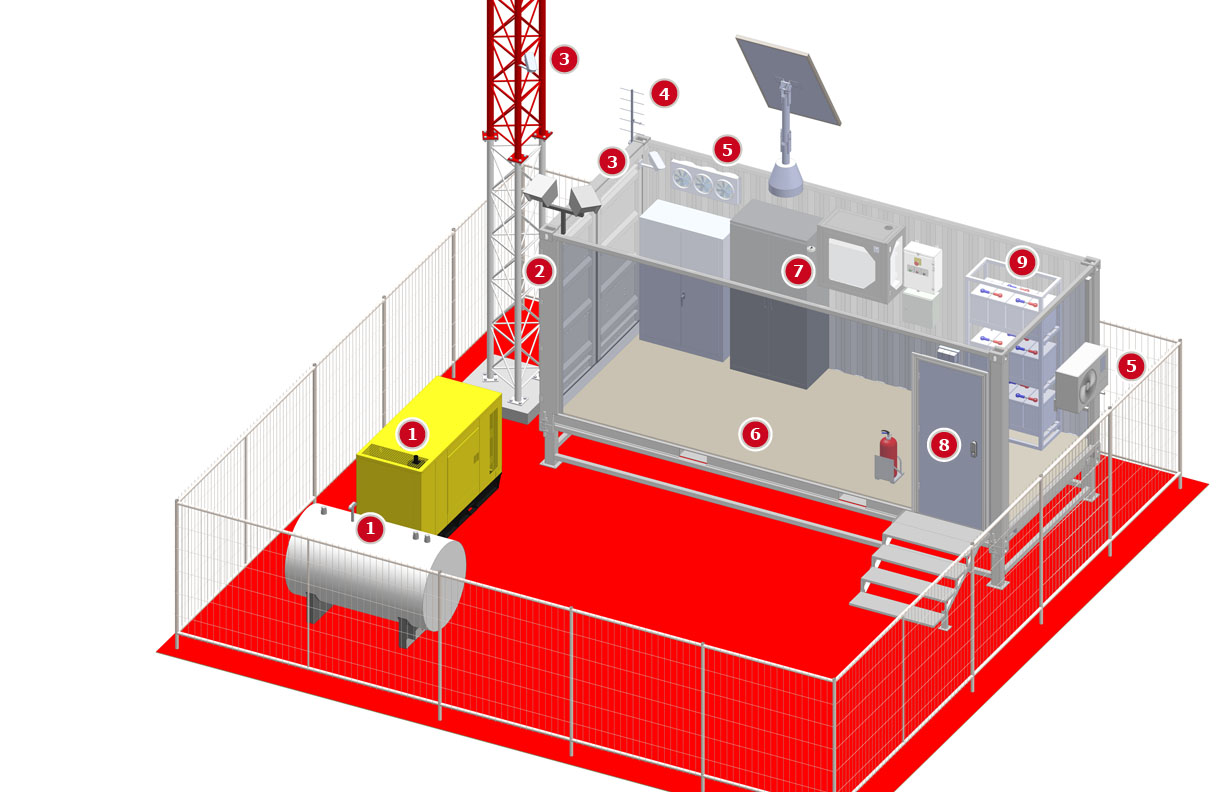
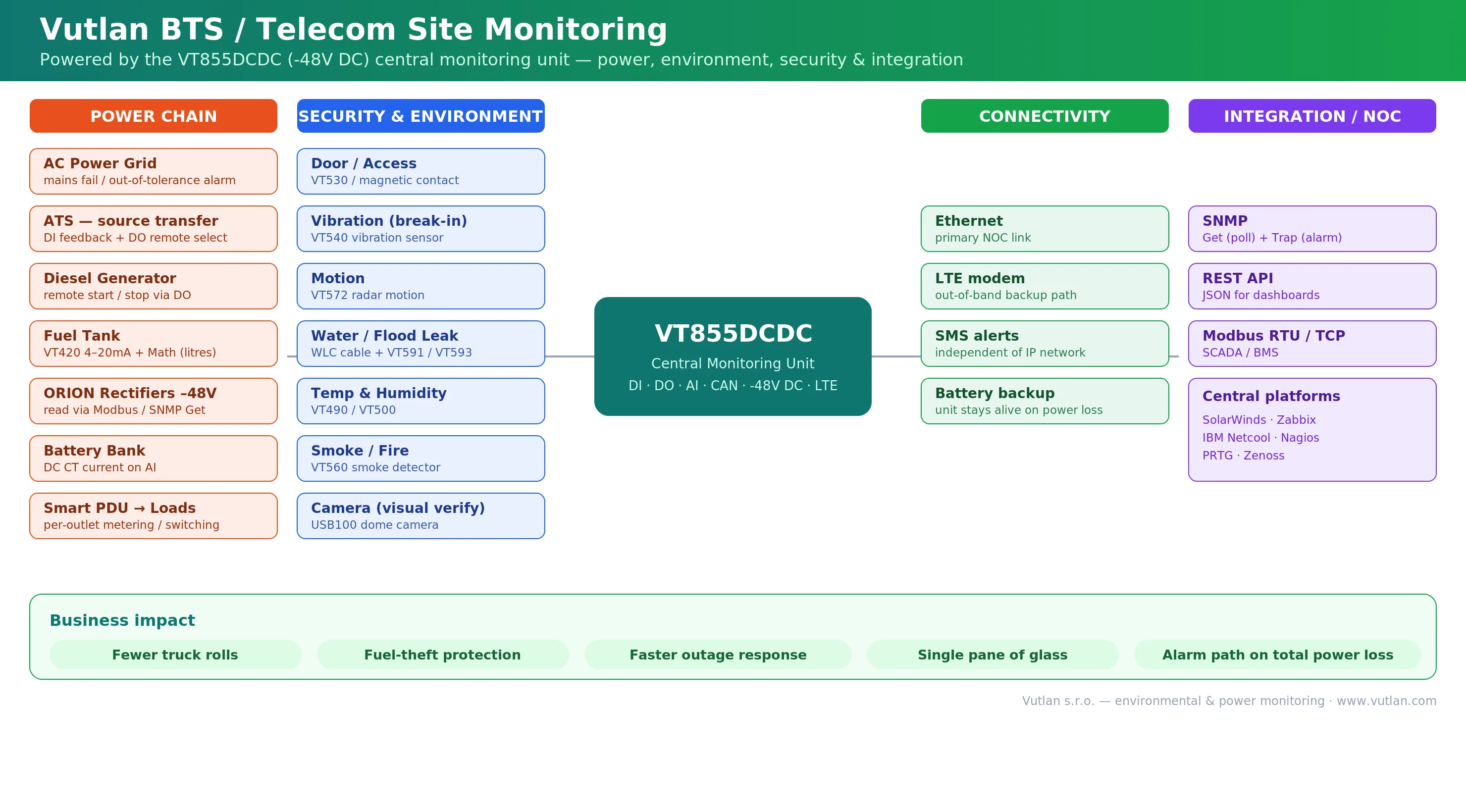
Monitoring the site element by element
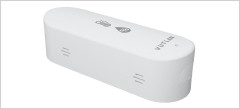
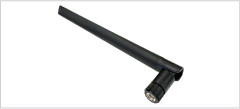
The sensor connects wirelessly to LoRaWAN gateway technology, for fast and reliable connectivity.
AC power grid / Normal AC Main
A voltage/AC transducers on the mains feed tells you instantly when utility power fails or goes out of tolerance. This is the trigger event for most site incidents, so detecting it first drives every downstream action and alert.
Battery bank
It monitors DC bus voltage and, with DC CT sensors on the AI, battery charge/discharge current — so you can see state of health, estimate remaining runtime during an outage, and detect a failing string before it strands the site.
Fuel tank + fuel sensor.
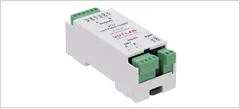
A VT420 4–20 mA converter reads the tank's level sensor on an analog input, and a Math Element applies the tank's volume formula to convert that level reading into actual diesel volume (liters). So instead of a raw level signal, you get true fuel quantity — with alarms on a sudden drop (theft or leak) and on a slow decline (refuel due). Fuel theft and dry-tank outages are two of the biggest OPEX and downtime issues at remote sites, and this covers both.
Perimeter water/flood leakage.
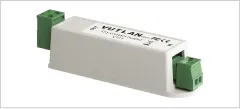
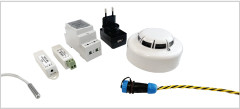
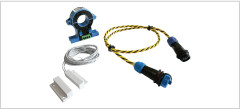
A WLC water-leak detection cable run around the perimeter of the room, backed by VT591/VT593 spot leak sensors at low points, detects water ingress from storms, flooding, or roof leaks. Early detection lets you act before water reaches the −48V plant, batteries, or transmission gear — protecting the most expensive assets on site during bad weather.
Temperature & humidity
The single most important environmental parameter. Detects HVAC/air-con failure and overheating before equipment throttles or shuts down — a leading cause of site outages.
Local alarm
On-site audible/visual warning to deter intruders or alert staff already present.
ATS (Automatic Transfer Switch)
The unit reads the ATS "feedback indicating input selected" on a DI, so you always know whether the site is running on mains or generator. Through a DO it can also perform "remote manual selection" — forcing a source from the NOC if the ATS logic misbehaves.
Diesel generator
Two things matter here, and the VT855DCDC handles both: it monitors generator run/fault status via DI, and it can remote-start/stop the generator via DO ("remote control to turn on/off generator"). That lets you test the genset remotely or start it before batteries deplete during a long outage.
Controllers & rectifiers (−48V DC plant)
The VT855DCDC reads the rectifier/controller by polling it over Modbus and/or SNMP Get, pulling in rectifier status, DC bus voltage, and alarms — complementing its own hardwired sensing.
Integration into central monitoring software
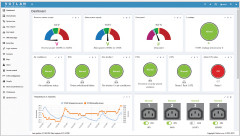
The VT855DCDC exposes its data through open, standard interfaces so it drops into whatever NOC platform you already run: SNMP — SNMP Get for polling and SNMP traps for push alarms. REST API — modern JSON access for dashboards and custom integrations. Modbus RTU/TCP — for SCADA/BMS environments. This lets it feed straight into central monitoring platforms such as SolarWinds, IBM (Netcool/Tivoli), Zabbix, Nagios, PRTG, and Zenoss — so BTS site telemetry sits alongside the rest of your network and infrastructure in a single pane of glass.
Smoke / fire detection
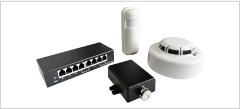
Early fire warning for the shelter — critical given batteries and power electronics on site.
Dust / particles
Useful for outdoor or roadside cabinets where filters clog.
Door / cabinet / window access.
A VT530 access sensor (or magnetic contact, e.g. KMS-30) on a DI reports every door, cabinet, or window opening in real time. At an unmanned site this is your first line of physical security — you know immediately who opened the site and when, and can correlate it with scheduled maintenance or flag it as an intrusion.
Window / enclosure vibration (break-in)
A VT540 vibration sensor detects glass breakage or the shock and tampering of a forced entry — often before the door contact trips. This catches break-in attempts at the moment of impact, giving earlier warning than access contacts alone.
LTE router / connectivity
The VT855DCDC's own LTE modem is an out-of-band path: if the site switch or transmission link fails, you still receive alarms and retain remote control.
Motion sensor
A VT572 radar motion sensor detects movement inside the shelter or equipment room. At an unmanned site it confirms presence — useful for intrusion detection (paired with the access and vibration sensors) and to trigger a camera snapshot, lighting, or a beacon when someone is on site outside a maintenance window.
Visual verification
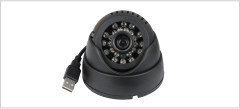
A video stream on alarm confirms whether it's a real intrusion or a false trip, cutting unnecessary truck rolls.
Physical Description
-05.webp)
-08.webp)
1. 1U 19-inch brackets
x2 pcs for mounting brackets into a 1U 19" rack slot.
2. Sticker space
A place for a sticker
3. Analog ports
x8 RJ12 analog sensor inputs with auto-sensing.
4. LAN port
Ethernet 10/100/1000 Base-T port for Ethernet/LAN
5. Modem slot
(ordered separately)
(ordered separately)
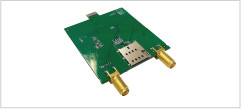
Allows to receive and send messages (2G, 3G). Provides Ethernet over LTE (4G).
6. CAN ports
Connect up to x24 CAN extensions or sensors in a chain.
7. USB port
Micro USB ports is needed for USB camera recording, USB Flash for system logs, and system restoration.
10. Temperature sensor
Internal sensor, accuracy +/- 1 °C.
12. Dry contact inputs
x32 Digital inputs (Type IN) for connecting dry contact sensors or receiving alert signals from external equipment.
13. Isolated Dry Contact Outputs
x8 dry contact outputs 24VDC / 15mA (type OUT).
14. Battery Extension Slot
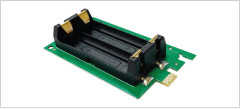
Extension slot for “VT-ACCU / Rechargeable reservation battery”
18. Relays 1 & 2
NC/NO/COM power relay terminals.
19. 12V electronic relays
For controlling x2 low-power devices, i.e. alarm beacons, a siren and/or strobe light, or other.
22. Micro SD card slot
For data storage of logs (SDXC up to 512 Gb, up to x3 years) or system update.
23. Extension slot
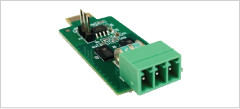
Only one of the two extensions can be installed “VT485m / Modbus RTU extension” or “VT485r / OSDP v2 reader extension”.
24. DC 12V Backup Power
12V, DC (3.81 mm, 2P)
25. Chassis grounding
Immunity against RF disturbances. M4 thread.
26. Reserve INPUT 24-48V
Reserve power inlet. 24-48V DC, 5.08mm 2EDGK power plug, 18-72VDC to 12VDC/0.84A. Optional
27. MAIN INPUT 24-48V DC
Reserve power inlet. 24-48V DC, 5.08mm 2EDGK power plug, 18-72VDC to 12VDC/0.84A. Optional