




How Vutlan monitors a data center
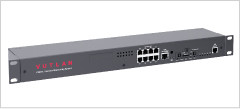
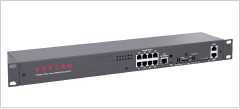
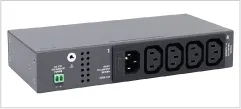
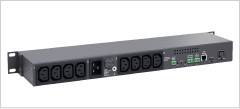
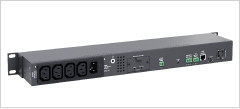
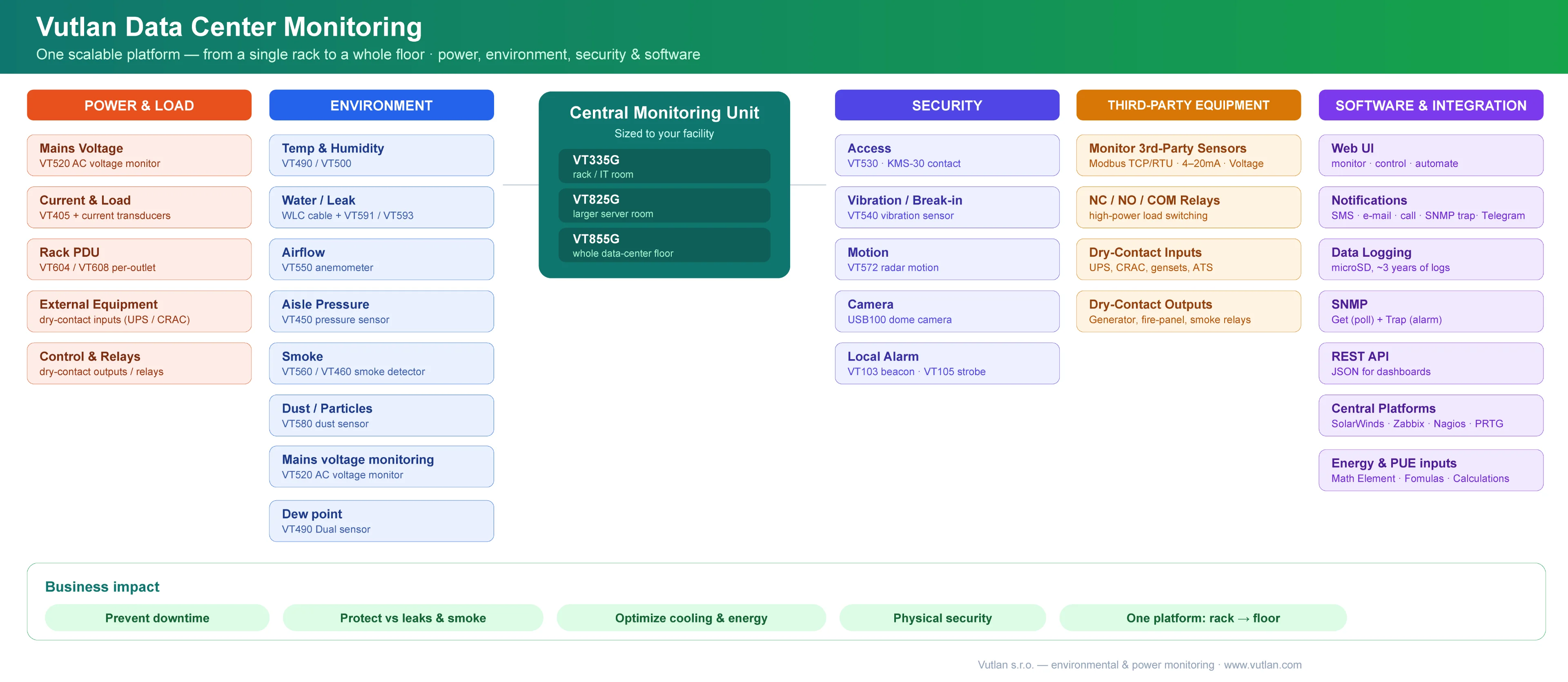
A data-center outage means real financial loss, so the environment has to be watched continuously — not just SNMP devices, but the housing technology around them: cooling, power, leaks, and physical access. Vutlan does this with one scalable platform: a central monitoring unit sized to your facility, extended over CAN with the exact sensors each hall needs, all managed from one web interface and fed into your existing NOC/DCIM.
Monitoring the data center — element by element
The most powerful monitoring hardware in its class — and the widest sensor range on the market.
Temperature & humidity
The single most important environmental parameter. Detects HVAC/air-con failure and overheating before equipment throttles or shuts down — a leading cause of site outages.
Under-floor & perimeter leak detection
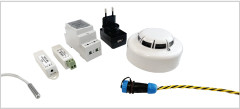
Run leak-detection cable under raised floors, around CRAC units and chilled-water pipes, with spot sensors at low points. Catches coolant and condensation leaks before water reaches power or IT gear.
Mains voltage monitoring
Continuously checks the presence and quality of the AC supply on each feed. Instantly flags a power failure, brownout, or out-of-tolerance voltage — the trigger event behind most infrastructure incidents.
Current & load monitoring
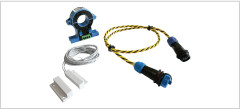
Measures current per feed or per rack. Detects overloads and imbalance, and supplies the consumption data you need for load balancing and PUE tracking.
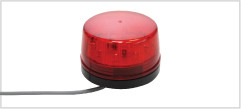
Local alarm
On-site audible/visual warning to deter intruders or alert staff already present.
Climate control & rotation
Switch and rotate CRAC/air-con units (lead/lag) and start fans automatically on temperature events.
Read industrial sensors & meters
Bring in any 4–20 mA transmitter (pressure, flow, gas, level) and Modbus power meters or BMS devices, so third-party industrial signals become monitored points too.
Smoke / fire detection
Early smoke warning in the room and inside racks — an early indicator of trouble around dense power and battery loads, so you can respond before it escalates.
Air quality / dust
Detects contamination that clogs filters and degrades equipment — useful near loading areas or construction.
Third-party equipment (UPS, CRAC, gensets)
Read status and alarm signals from UPS units, CRAC/air-conditioning, gensets, ATS (Automatic transfer Switches) and other third-party equipment through the unit's dry-contact inputs — bringing mixed-vendor gear onto one dashboard.
Control external equipment
A pool of dry-contact (on/off) inputs for any external signal you need to bring in — UPS and CRAC status, generator run/fault, fire-panel and smoke relays, water-leak relays, door and window contacts, and third-party alarm outputs.
Dew point / condensation
Calculate dew point from temperature and humidity and alarm before condensation can form on cold surfaces or pipework.
Hot/cold-aisle pressure
Monitor differential pressure across aisle containment to confirm airflow separation and catch containment or CRAC problems early.
Door / cabinet / window access.
Monitor every room and rack door for opening in real time. You know which door or cabinet was opened and when — your first line of physical security and a useful record for compliance audits.
Enclosure/Rack/Cabiner vibration (break-in)
A VT540 vibration sensor detects glass breakage or the shock and tampering of a forced entry — often before the door contact trips. This catches break-in attempts at the moment of impact, giving earlier warning than access contacts alone.
Motion sensor
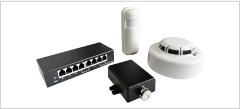
Detects movement inside secured halls and rooms. Confirms presence for intrusion detection and can trigger a camera snapshot, lighting, or a beacon when someone is on the floor outside a maintenance window.
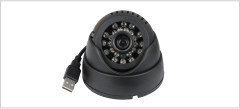
Visual verification
A snapshot or picture stream on alarm confirms whether an event is real, cutting unnecessary call-outs.
Redundant power of the controller itself
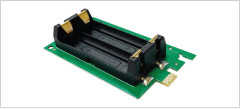
Dual AC power inputs plus resevation battery keep the unit — and its alarms — alive precisely when site power fails.
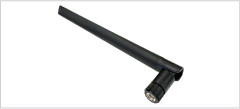
LTE router / connectivity
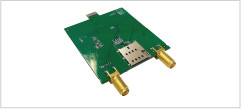
The VT855DCDC's own LTE modem is an out-of-band path: if the site switch or transmission link fails, you still receive alarms and retain remote control.
Operating the data center — Web Interface
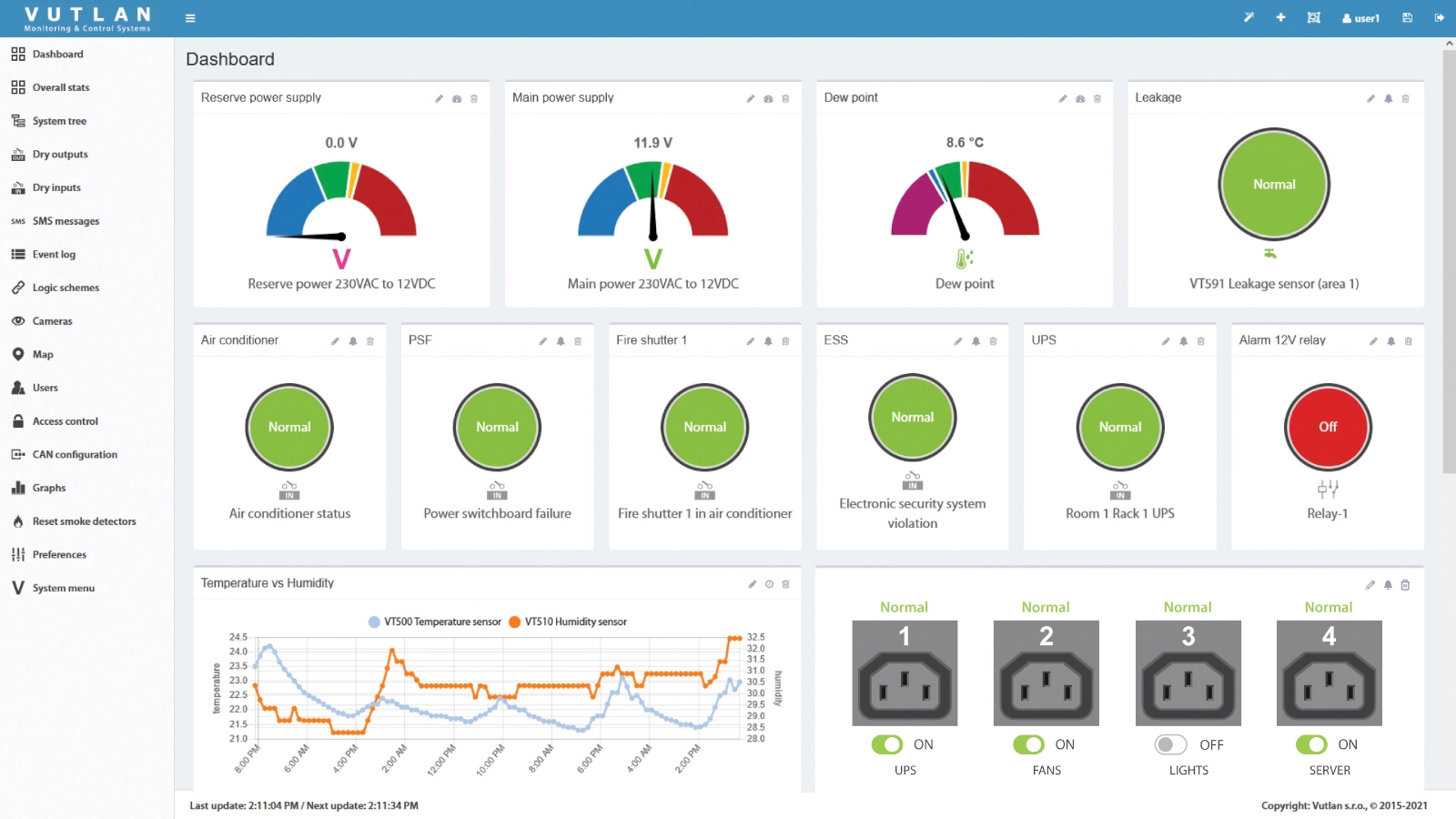
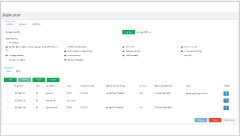
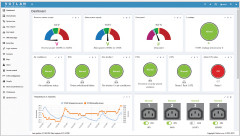
One easy, multilanguage interface — monitoring, control, automation, alerts, and logging in a single place.